The Ultimate Guide to Video Converters: Transform Your Media Effortlessly
In today’s digital age, videos have become an essential part of our everyday lives, whether for entertainment, education, or personal expression. With the myriad of formats and platforms available, having the right video converter is crucial for anyone looking to manage their video files effectively. A good video converter allows you to change the format, edit, enhance, and even speed up or slow down your videos according to your needs. For more advanced editing features, check out this video converter https://cliptools.net/en/video-speed-changer/ that can adjust your video playback effortlessly.
Understanding Video Formats
Before diving into the world of video converters, it’s important to understand the various video file formats available. The most common formats include:
- MP4: The most widely used format due to its compatibility with almost any device and platform.
- AVI: A high-quality format that supports multiple streaming audio and video. However, it results in larger file sizes.
- MKV: Known for its flexibility, allowing multiple audio and subtitle tracks within one file.
- WMV: Developed by Microsoft, it’s often used for streaming videos over the internet.
- MOV: Apple’s proprietary format, favored by professionals for its high quality.
Choosing the right format often depends on your specific needs, such as video quality, file size, and where you intend to use your video.
Key Features of Video Converters
When selecting a video converter, consider several key features to ensure it meets your needs:

- Format Compatibility: Ensure the converter supports all the formats you need. A good converter should handle a wide variety of input and output formats.
- Editing Tools: Additional features like trimming, merging, and adding effects can enhance your editing experience. Look for converters that include these functionalities.
- Speed: Fast conversion times can save you valuable minutes, especially when working with large files. Look for reviews that mention conversion speed.
- User Interface: A clean and intuitive interface can make the conversion process much smoother. Choose software that you find easy to navigate.
- Support for Batch Processing: This feature allows you to convert multiple files at once, saving you time and effort.
- Cloud Support: Some converters allow you to upload and convert videos directly from cloud services, making it easy to access your files from anywhere.
How to Choose the Right Video Converter
Choosing the best video converter depends on your specific requirements. Consider the following:
- Determine Your Needs: Are you converting videos for social media, professional use, or personal archives? Knowing your purpose can greatly influence your choice.
- Read Reviews: Look for user reviews and ratings to get an idea of the software’s reliability and performance.
- Trial Versions: Many paid converters offer a free trial. Use these to test the features and see if they meet your expectations.
- Check for Updates: Good software is regularly updated to support new formats and improve performance. Ensure the converter you choose keeps pace with technological advancements.
- Look at Pricing: There are free and paid options available. Evaluate whether the cost of a paid converter aligns with the features you need.
Popular Video Converters Available
Here are some of the most popular video converters currently on the market:
- HandBrake: A free, open-source video transcoder that supports a wide range of formats and offers editing capabilities.
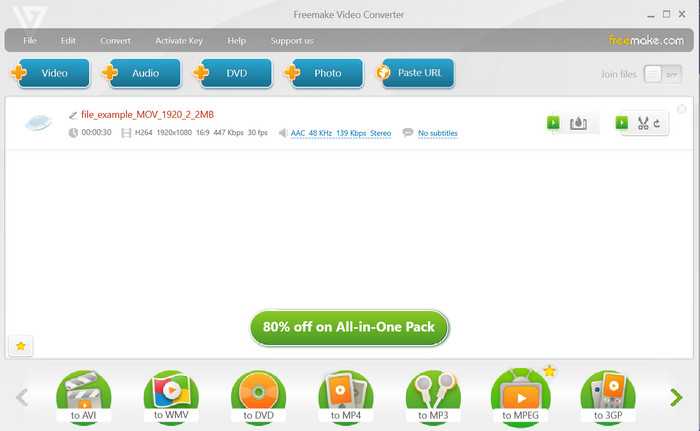
- Freemake Video Converter: Known for its user-friendly interface, it supports many formats and has a variety of features.
- Any Video Converter (AVC): Offers fast conversion speeds, a range of output formats, and helpful features like built-in editing tools.
- Movavi Video Converter: A paid option that combines powerful features with an easy-to-use interface, offering speedy conversions and editing tools.
- Wondershare UniConverter: A comprehensive video converter with numerous features, including compression, editing, and DVD burning capabilities.
Step-by-Step Guide to Using a Video Converter
Using a video converter is typically straightforward. Here’s a basic guide to follow:
- Download and Install: Start by downloading the chosen video converter. Follow the installation instructions.
- Open the Converter: Launch the software. Most converters have a simple interface where you can find all the necessary options.
- Select Your Video: Click on the ‘Add’ or ‘Import’ button to upload your video file.
- Choose Output Format: From the dropdown menu, select the desired output format.
- Adjust Settings: If needed, use the editing features to cut, trim, or add effects to your video.
- Convert: Click on the ‘Convert’ button and wait for the process to finish. Once complete, you can access your converted video.
Conclusion
Video converters are invaluable tools in today’s media-rich environment. Whether you’re a content creator, professional filmmaker, or simply someone who enjoys video editing, having a reliable video converter can make your life significantly easier. By understanding the features, formats, and processes involved, you can make informed decisions on the best software to meet your needs. Remember to explore options, test out a few converters, and find one that perfectly suits your style and requirements. With the right tools at your disposal, transforming your videos will be a breeze!